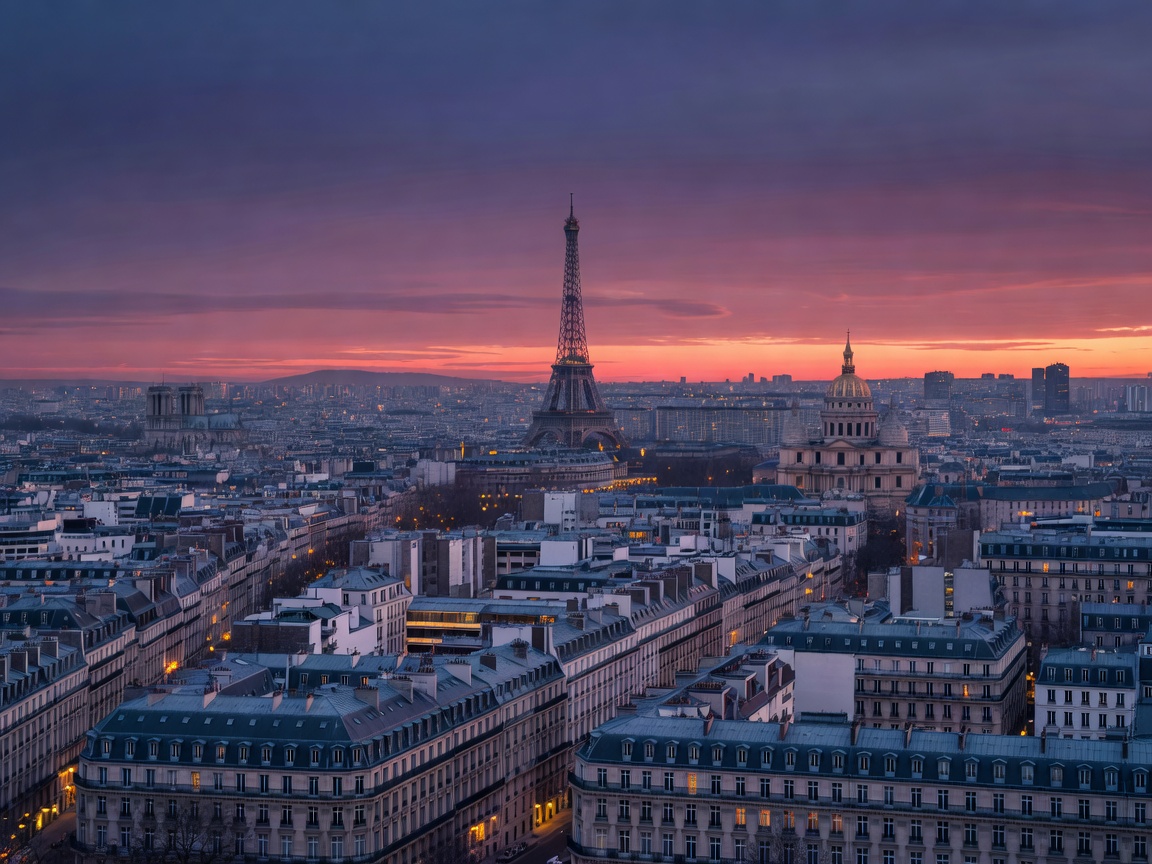
Comprehensive cultural intelligence, licensing frameworks, transit options, and district profiles for the continent’s supreme nightlife capitals.
Parisian nightlife has shed its exclusive, VIP-centric reputation of the early 2000s in favor of raw, suburban warehouse raves, historic basement temples, and an unapologetic celebration of French touch, minimal electro, and underground queer ballrooms. The epicenter extends from the 11th arrondissement out to the industrial canals of Pantin.
| Licensing Laws | Clubs typically open till 06:00–07:00; 24h outdoor summer raves |
| Metro Service | Runs until ~02:15 on Fri/Sat nights; Noctilien night buses operate 24h |
| Door Etiquette | Relaxed, understated black attire; knowing the DJ lineup is mandatory |
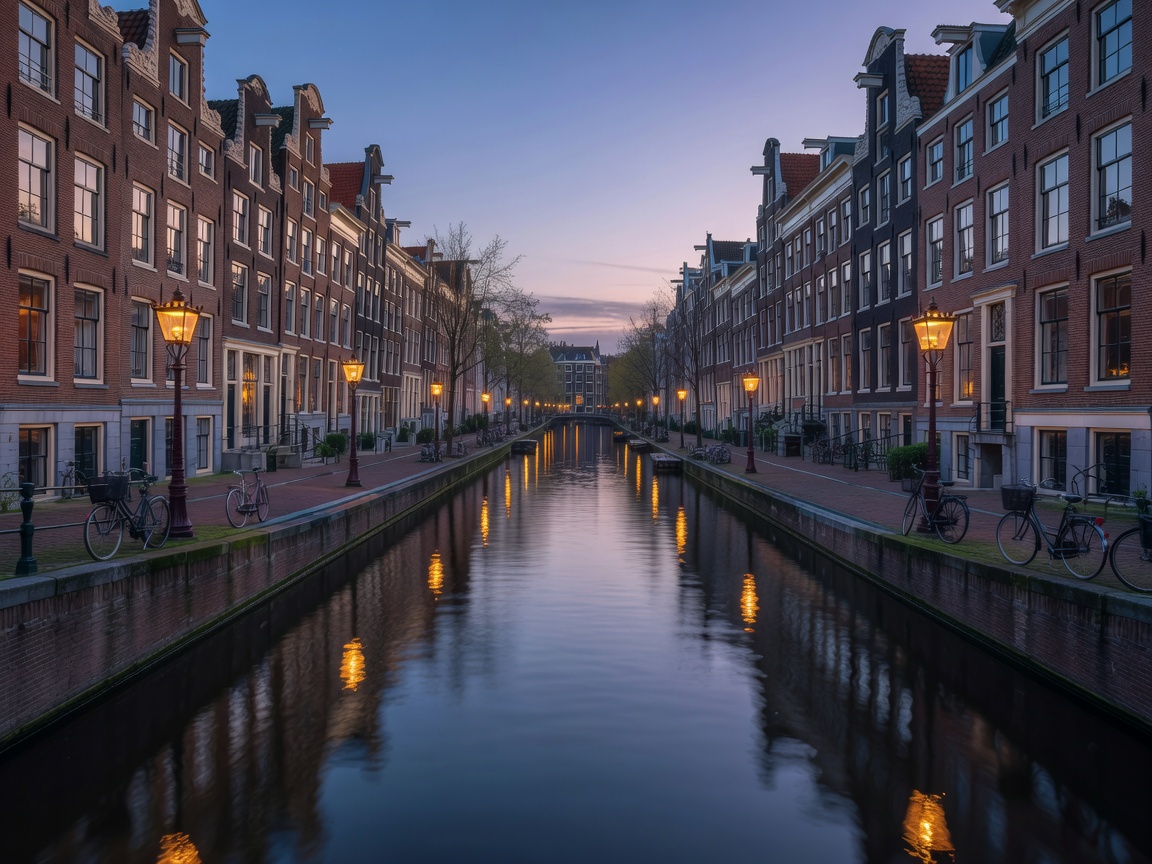
Backed by progressive municipal policies and the legendary 'Nachtburgemeester' (Night Mayor) institution, Amsterdam represents the pinnacle of clubbing infrastructure. Venues in Noord and West hold 24-hour permits, integrating fine acoustic engineering with strict safe-space policies and cultural community engagement.
| Licensing Laws | Multiple venues possess true 24-hour non-stop licenses |
| Transit Access | 24h free ferries to Noord; night trams and extensive bike grids |
| Door Etiquette | Zero tolerance for harassment; strict no-camera / no-flash stickers |
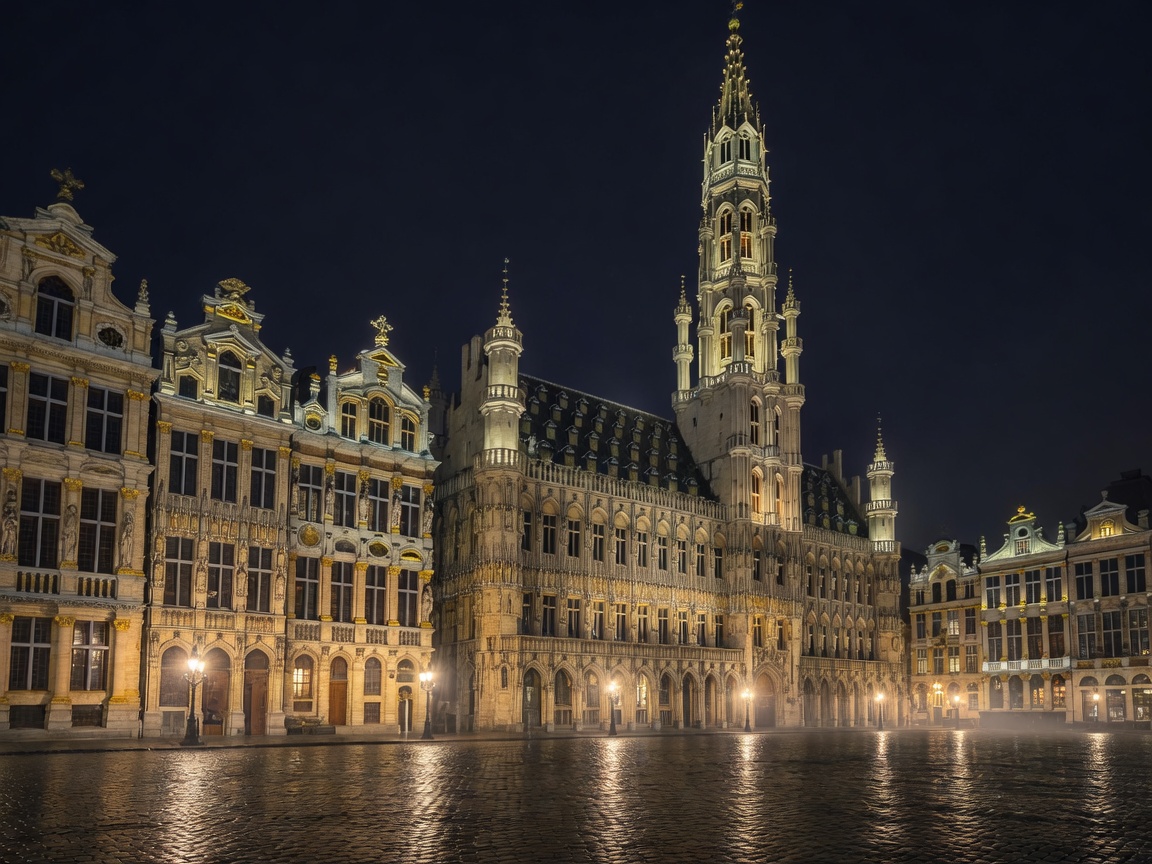
The birthplace of Electronic Body Music (EBM) and new beat in the late 1980s, Brussels continues to champion dense, industrial, and boundary-pushing leftfield techno. The scene is unpretentious, passionate, and hosted across multi-tiered converted factories and historic Marolles basements.
| Licensing Laws | Clubs freely operate from 23:00 to 07:00+ with flexible curfews |
| Transit Access | Noctis night bus network running every 30 mins over weekends |
| Door Etiquette | Extremely welcoming; emphasis on musical dedication over dress code |
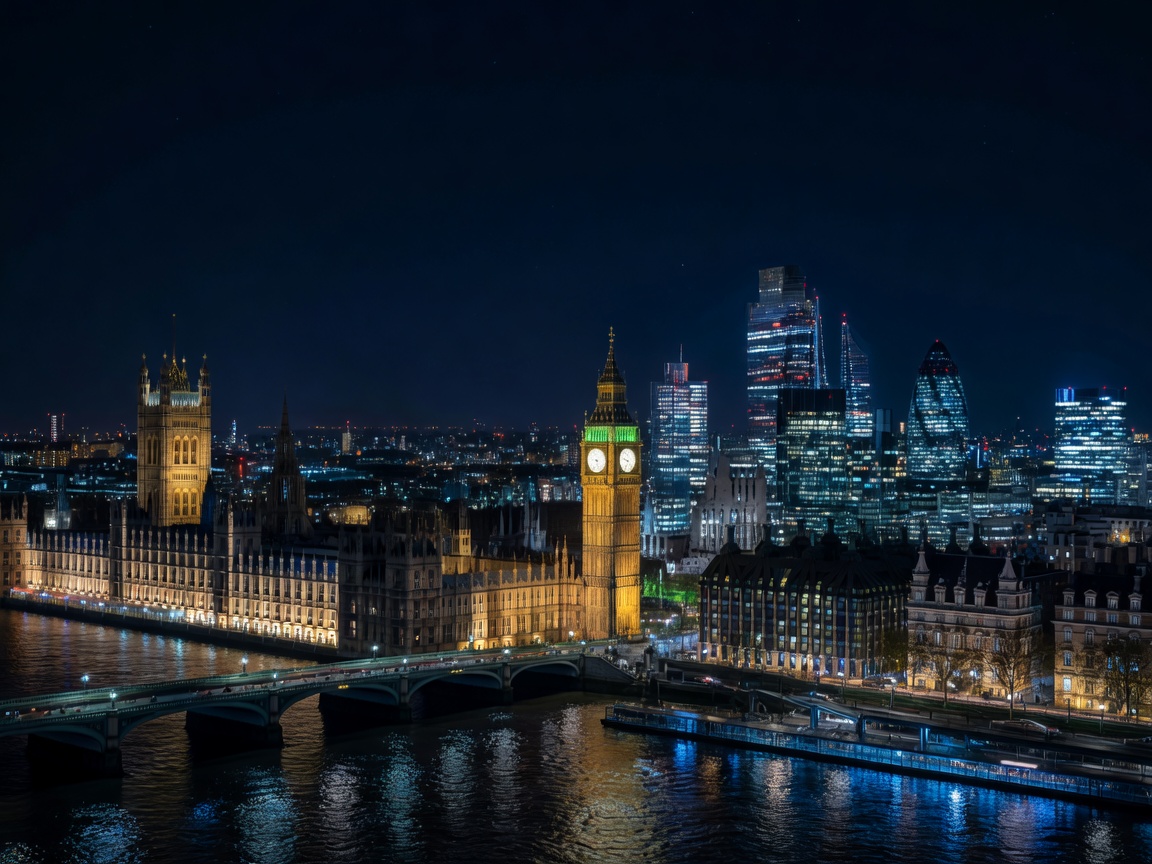
London remains unmatched in sonic diversity: jungle, drum & bass, dubstep, UK garage, grime, and afro-house all claim roots here. While central venues face strict zoning, East and South London (Hackney, Tottenham, Bermondsey) continue to birth monumental warehouse movements and world-renowned audio temples.
| Licensing Laws | Clubs usually 23:00–06:00; select 24h weekend sessions in East London |
| Transit Access | Night Tube operates on Jubilee, Northern, Piccadilly, Central & Victoria |
| Door Etiquette | Mandatory physical government photo ID scanning at almost every club |
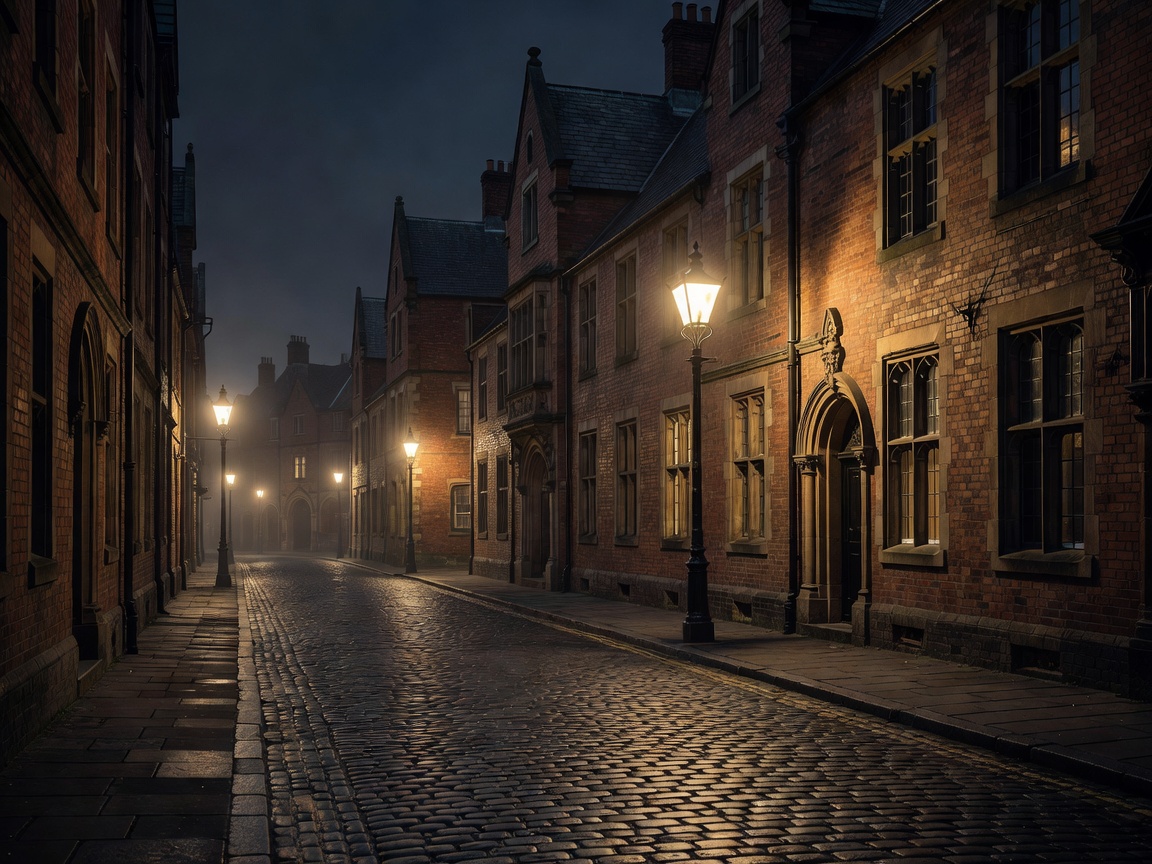
From the spirit of The Haçienda to today’s sprawling warehouse projects and DIY Salford railway arches, Manchester possesses an electrical club culture rooted in northern camaraderie, raw energy, and world-class sound curation.
| Licensing Laws | Clubs typically run till 04:00–07:00 depending on permit |
| Transit Access | 24h night buses along Wilmslow Corridor; Metrolink late trams |
| Door Etiquette | Laid back and community oriented; zero pretension allowed |
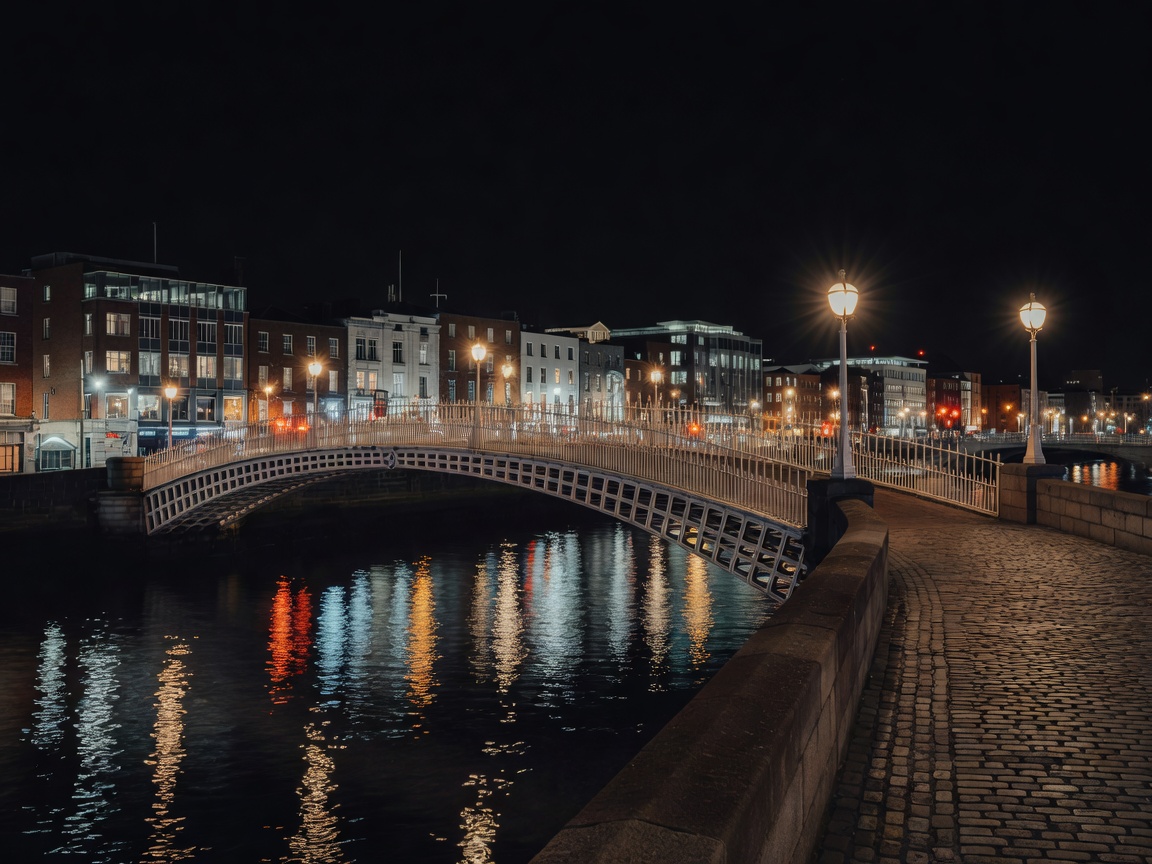
Despite restrictive licensing curfews compared to mainland Europe, Dublin boasts one of the most fervent, high-tempo crowds on Earth. Modern collective-driven club nights deliver unmatched passion across compact spaces, dockland hangars, and basement sweatboxes.
| Licensing Laws | Standard late licenses close around 02:30–03:00 |
| Transit Access | 24h Dublin Bus routes (N4, 41, 15, G-Spines) |
| Door Etiquette | Pre-purchased digital tickets strongly advised due to limited capacities |